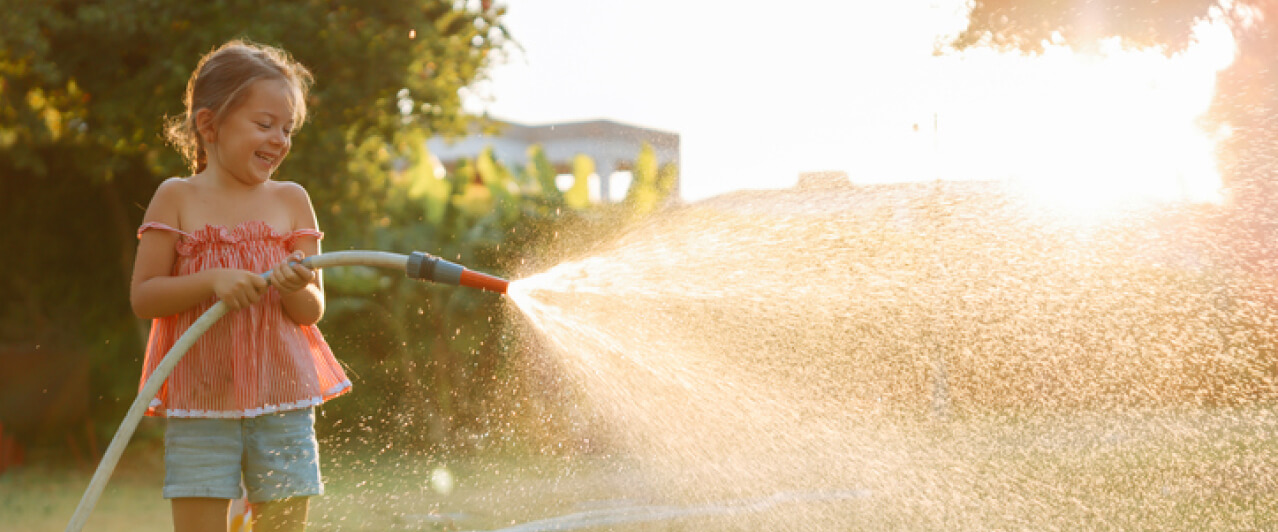
If you are in a Cal Water service area and see a water leaks or water waste in public, you can report it using our Report Leaks and Waste form. Note that as part of our customer-first approach, we prefer to educate customers about prohibited uses of water before issuing penalties.
If you dispute a penalty that has been assessed, you may call your local Cal Water office to speak with a customer service representative.
Cal Water is responsible for repairs within the distribution system. Property owners are responsible for repairs to plumbing on their side of the water meter.
All leaks, breaks, or other water-related malfunctions must be repaired within five business days of notification by Cal Water. We encourage customers to make repairs sooner, if possible, to save water and money on their water bills.
All multi-residential housing complex residents are responsible for reducing their personal water use and complying with all water-use restrictions. Landlords are typically responsible for repairs to the plumbing or leaks on the customer service line. If you have any questions about what you are responsible for as a tenant, please check with your landlord.
Water restrictions may impact you outside of the home, too. For example:
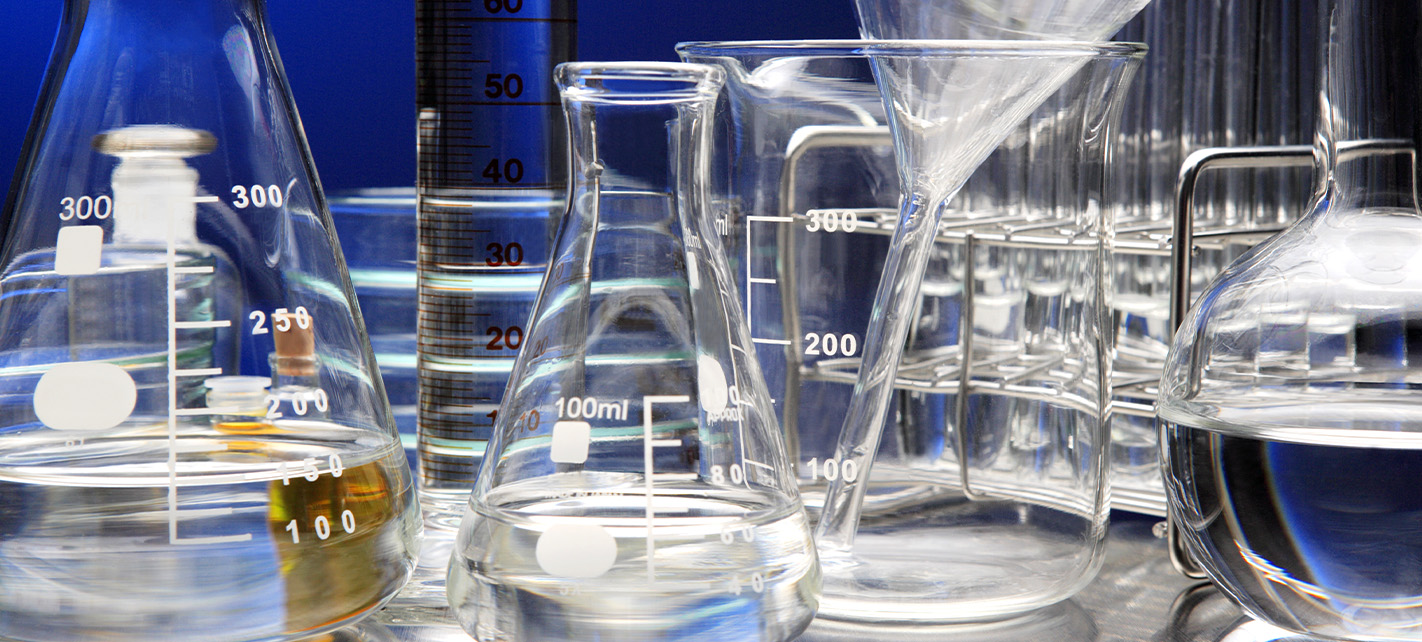
Because protecting our customers’ health and safety is our highest priority, Cal Water staffs its lab with some of the best scientists in the water industry. The entire laboratory operation is fully certified by the California Environmental Laboratory Accreditation Program—one of the toughest certifications to achieve in the country. You might not have thought much … Read more
Occasionally, trapped (or entrained) air will be noticeable in tap water. This is due to air dissolved into the water at its source, which can turn into bubbles after the water leaves your tap. These bubbles may make your water temporarily appear cloudy. Both the bubbles and cloudiness are harmless and will disappear when allowed … Read more
Spots are caused by hard water, or minerals that remain after the water has evaporated. Spots can be eliminated through use of a dishwasher rinse agent.
The hardness of water varies with the water’s source. The choice to buy a softener is an aesthetic one, since hard water is not harmful to health. However, water softeners typically increase the sodium content of the water, a factor that should be considered by people on low-sodium diets.