
How to Prevent Backflow
Without proper backflow protection, contaminated water can flow backward into your home’s drinking water supply and the public drinking water supply, posing serious health risks.
Backflow Prevention PDF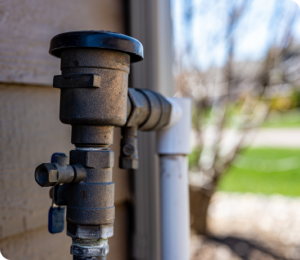
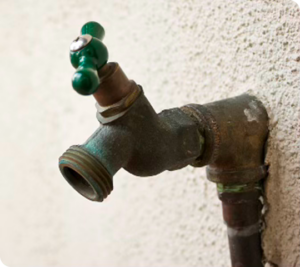
What is a Hose Bibb
A hose bibb is a threaded outdoor faucet or spigot that can be connected to a garden hose.
Why Backflow Prevention Matters
Without proper protection, your home’s water lines and the public drinking water supply could be contaminated when water hoses are submerged in a bucket of water, swimming pools, or other containers; or when attached to chemical dispensers, such as pesticide sprayers.
How to Protect Your Home
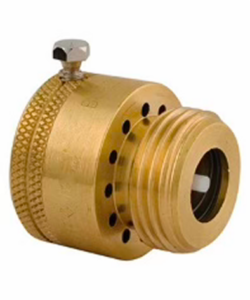
Hose bibb vacuum breakers (HBVB) are specifically made for portable hoses that can be attached to hose-threaded faucets. The California Plumbing Code mandates every hose-threaded faucet to be equipped with a vacuum breaker, preventing contaminated water from flowing back into your home’s drinking water and the public drinking water supply.
- These devices screw directly to the faucet outlet and include breakaway set screws as a tamper-proof feature. Never remove a vacuum breaker — unprotected hose connections allow backflow to occur.
- Freezing conditions may require devices with a manual draining feature.
- These devices are not intended for operation under continuous pressure.
Why Backflow Prevention Matters
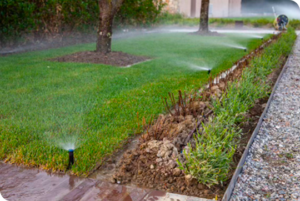
Irrigation systems may be equipped with pumps, injectors, pressurized tanks or vessels, or other equipment for injecting chemicals such as fungicides, pesticides, or soil conditioning chemicals into the irrigation systems. Additionally, water may gather around sprinkler heads that can become contaminated with animal waste, lawn fertilizers, or other contaminants found on the ground.
How to Protect Your Home
Protect your irrigation system with an appropriate backflow preventer. Common types include atmospheric vacuum breakers, pressure vacuum breakers, and reduced-pressure principle assemblies.
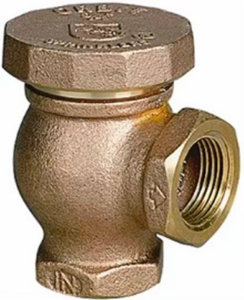
Atmospheric Vacuum Breaker (AVB)
- An AVB is most commonly used on landscape irrigation systems with above-ground control valves.
- When a vacuum condition is detected, atmospheric pressure opens the air inlet, allowing air to interrupt the siphon.
- The AVB must be installed 6″ above all downstream piping and outlets, and cannot be continuously pressurized (<12 hours/day).
- All control valves must be located upstream.
- The AVB is not testable; however, failures usually result in uncontrolled water discharge from the air inlet. Proper maintenance is essential
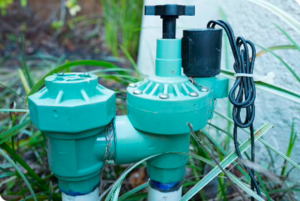
Pressure Vacuum Breaker (PVB)
- A PVB is most commonly used on landscape irrigation systems with below-ground control valves.
- The single spring-loaded check valve is monitored by a spring-loaded air inlet valve. When a vacuum condition is detected, the air inlet opens to atmosphere, allowing air to interrupt the siphon.
- The PVB must be installed 12″ above all downstream piping and outlets and can have control valves downstream.
- The PVB must be tested by a certified backflow prevention assembly tester upon installation, after repair or permanent relocation, and at least annually.
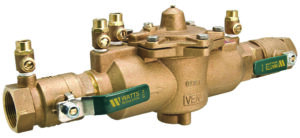
Reduced-Pressure Principle Assembly (RP)
- An RP is appropriate protection where the downstream piping is subject to backpressure due to elevated piping or pumps.
- The two spring-loaded check valves are monitored by a relief valve. If either check valve fails, the relief valve will open to atmosphere, discharging potentially contaminated water.
- The RP must be installed 12″ above ground to prevent the relief valve opening from becoming submerged.
- Where freeze protection is necessary, the RP must be installed in an insulated enclosure with adequate drainage.
- The RP must be tested by a certified backflow prevention assembly tester upon installation, after repair or relocation, and at least annually.

Never remove or bypass the system. The backflow preventer is essential to protecting your home’s drinking water supply and the public water supply, so do not remove it without confirming that an approved backflow preventer is reinstalled. If modifications are being made to the irrigation system, be sure that the backflow preventer isn’t bypassed.
The Risk with Dishwashers
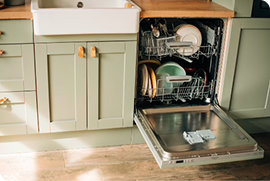
Dishwashing machines are a common feature in most homes today, but this appliance can still present a risk to the drinking water supply.
Why Backflow Prevention Matters
Dishwashing machines process dirty water that contains food waste, bacteria, and other contaminants. If introduced into your drinking water supply, these could cause illness. Dishwashing machines have a drain line that disposes of waste to a food waste disposer or sink drain.
How to Protect Your Home
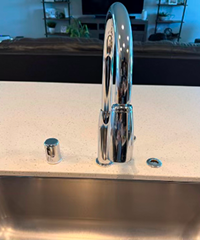
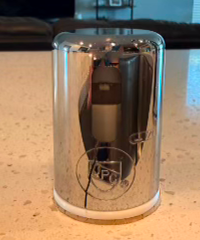
The California Plumbing Code requires that a dishwasher machine never be directly connected to a drainage system or food waste disposer without the use of an approved air gap fitting on the discharge side of it. This small fixture usually sits on your sink or countertop, creating a physical separation from the drainage system and the dishwashing machine’s drain line. This will prevent backflow from occurring and help protect your drinking water supply.
It is important never to remove the air gap fixture for your dishwasher machine, as this backflow preventer is essential to protecting your home’s drinking water supply and the public water supply. If modifications are being made to the plumbing for the dishwasher machine or the food waste disposer, confirm that the backflow preventer isn’t bypassed.
Why Backflow Prevention Matters?
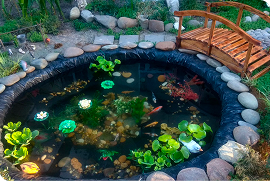
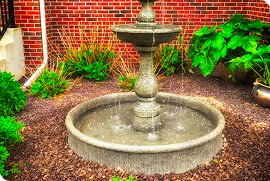
Swimming pools, spas, fishponds, or decorative fountains can contain:
- Chlorine or other chemicals
- Dirt, debris, animal waste, or bacteria
*When this document refers to pools, this includes, fishponds, fountains, and spas.
How to Protect Your Home
Backflow prevention devices and proper installation practices prevent a dangerous situation of these flowing into your home and public water supply. Common types of devices include atmospheric vacuum breakers, pressure vacuum breakers, and reduced-pressure principle assemblies.
Atmospheric vacuum breaker (AVB)
- An AVB is most commonly used on manual swimming pool fill systems.
- When a vacuum condition is detected, atmospheric pressure opens the air inlet, allowing air to interrupt the siphon.
- The AVB must be installed 6″ above all downstream piping and outlets and cannot be continuously pressurized (<12 hours/day).
- All control valves must be located upstream.
- The AVB is not testable; however, failures usually result in uncontrolled water discharge from the air inlet. Proper maintenance is essential.
Pressure Vacuum Breaker (PVB)
- A PVB is most commonly used on automatic swimming pool fill systems.
- The single spring-loaded check valve is monitored by a spring-loaded air inlet valve. When a vacuum condition is detected, the air inlet opens to atmosphere, allowing air to interrupt the siphon.
- The PVB must be installed 12″ above all downstream piping and outlets and can have control valves downstream.
- The PVB must be tested by a certified backflow prevention assembly tester upon installation, after repair or permanent relocation, and at least annually.
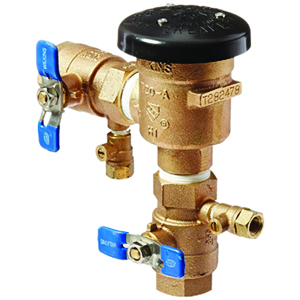
Reduced-Pressure Principle Assembly (RP)
- An RP is appropriate protection where the downstream piping is subject to backpressure due to elevated piping or pumps.
- The two spring-loaded check valves are monitored by a relief valve. If either check valve fails, the relief valve will open to atmosphere, discharging potentially contaminated water.
- The RP must be installed 12″ above ground to prevent the relief valve opening from becoming submerged.
- Where freeze protection is necessary, the RP must be installed in an insulated enclosure with adequate drainage.
- The RP must be tested by a certified backflow prevention assembly tester upon installation, after repair or relocation, and at least annually.
Key Requirements for Residential Pools
Filling the Pool (Make-up water)
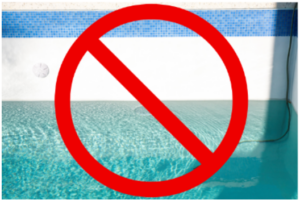
- Pool fill lines must not be directly connected to the drinking water supply unless the proper backflow protection is installed.
- If using a water hose to fill a pool, never drop the end of the hose into the pool. You must keep the end of the hose out of the pool, maintaining a proper air gap. It’s also important that you have hose bibb vacuum breakers installed on all outdoor faucets.
- An AVB may be used with a submerged inlet if there are no shutoff valves downstream and the AVB is installed at least 6 inches above the overflow rim of the pool.
- Automatic refill lines require a PVB, an RP, or an air gap.

Chemical Injection Systems
If the pool uses automatic chemical feeders, an RP is required to keep chemicals from entering the drinking water supply.
Wastewater Disposal
- Pool drainage must not connect directly to the sewer.
- Discharge must go through an air gap to a proper drainage system (such as a sewer inlet or sump).
Never remove or bypass the system. A backflow preventer is essential to protecting your home’s drinking water supply and the public water supply, so do not remove it without confirming that an approved backflow preventer is reinstalled.

Rebates and Programs
Cal Water offers a variety of indoor and outdoor rebates and programs on water-efficient devices to help customers save water and money.
Discover Rebates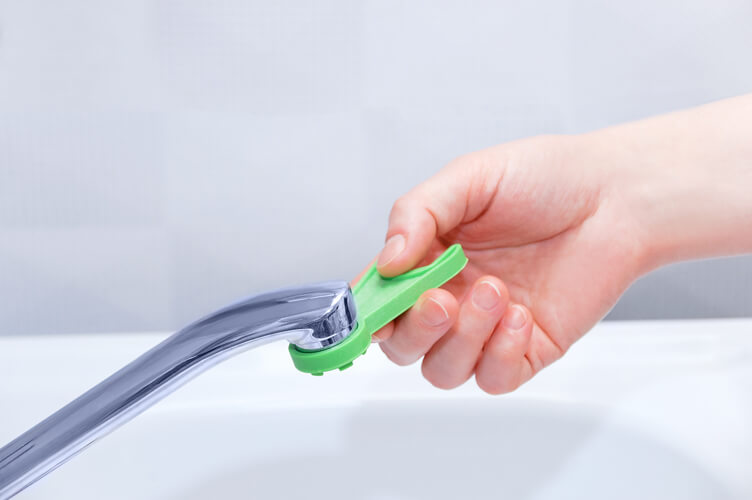
Conservation Kits
Cal Water is pleased to offer our single-family residential customers conservation kits featuring a range of water-saving plumbing retrofit fixtures. These kits are available at no charge.
Get Your Kit
Smart Landscape Tune-Up
Our Smart Landscape Tune-Up Program provides irrigation system evaluations and adjustments at no charge to help customers optimize water use and reduce waste.
Tune Up Your Landscape